If you’ve ever dealt with a slow drain, a stubborn backup, or that unmistakable sewage smell, you know how frustrating plumbing problems can be. The worst part is most sewer line issues happen underground, completely out of sight.
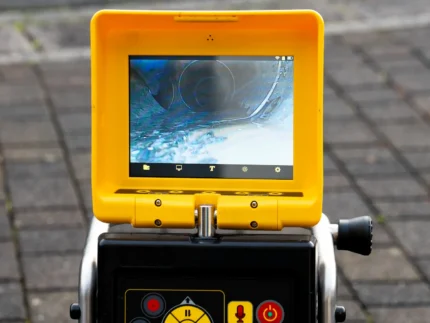
A sewer line camera inspection is a simple concept with powerful results. A small, waterproof camera attached to a long, flexible cable travels through your sewer pipes while sending live video footage directly to a screen. Think of it like a medical scope, but for your plumbing. The camera lets us see the actual condition of your pipes from the inside, revealing problems that would otherwise stay hidden until they cause major damage.
As professional plumbers serving Southwest Washington, Clark County Plumbing & Drain uses sewer pipe video inspection technology every day to help homeowners like you understand exactly what’s going on inside your pipes. No guessing. No unnecessary digging. Just clear answers and a straightforward path to fixing the problem.
This technology has completely changed how we diagnose plumbing problems. Instead of making educated guesses or tearing up your yard to find the issue, we can pinpoint exactly where the trouble is and what’s causing it.
The Sewer Scope Inspection Process
- The access point is found. First, we locate the best entry point for the camera. This is usually a cleanout, a capped pipe that provides direct access to your sewer line.
- The camera is sent through. Next, we carefully insert the specialized plumbing line camera into your sewer line. As it moves through, it records everything and sends real-time video back to our monitor.
- We evaluate what we see. As the camera travels through your pipes, we watch closely for any signs of trouble. We’re looking at the pipe material, checking for damage, noting any obstructions, and assessing the overall health of your sewer system.
- Then we document our findings. Once the video plumbing inspection is complete, we document everything we found. You’ll know exactly what condition your pipes are in, where any problems are located, and what we recommend for repairs or maintenance.
Why Would You Need a Video Plumbing Inspection?
Your sewer line runs underground, which means damage can develop for years without any obvious signs. Some of the biggest benefits of sewer camera inspections come from catching problems before they turn into emergencies.
In the past, diagnosing sewer problems often meant digging up sections of pipe just to find the issue. That approach is expensive, time-consuming, and destructive to your landscaping. With video sewer inspections, we know exactly where to look. If repairs are needed, we can target the specific problem area without disturbing the rest of your property.
A plumbing video inspection reveals cracks, corrosion, and deterioration that you’d never see otherwise. By the time these problems cause visible symptoms in your home, the damage is often much worse and more expensive to fix. Nobody wants raw sewage backing up into their home.
Standard home inspections often don’t include a thorough evaluation of underground sewer lines. Without a separate sewer line camera inspection, you could inherit expensive problems you didn’t know existed. We’ve seen homebuyers save thousands of dollars by discovering sewer issues before closing, giving them the chance to negotiate repairs or walk away from a bad deal.
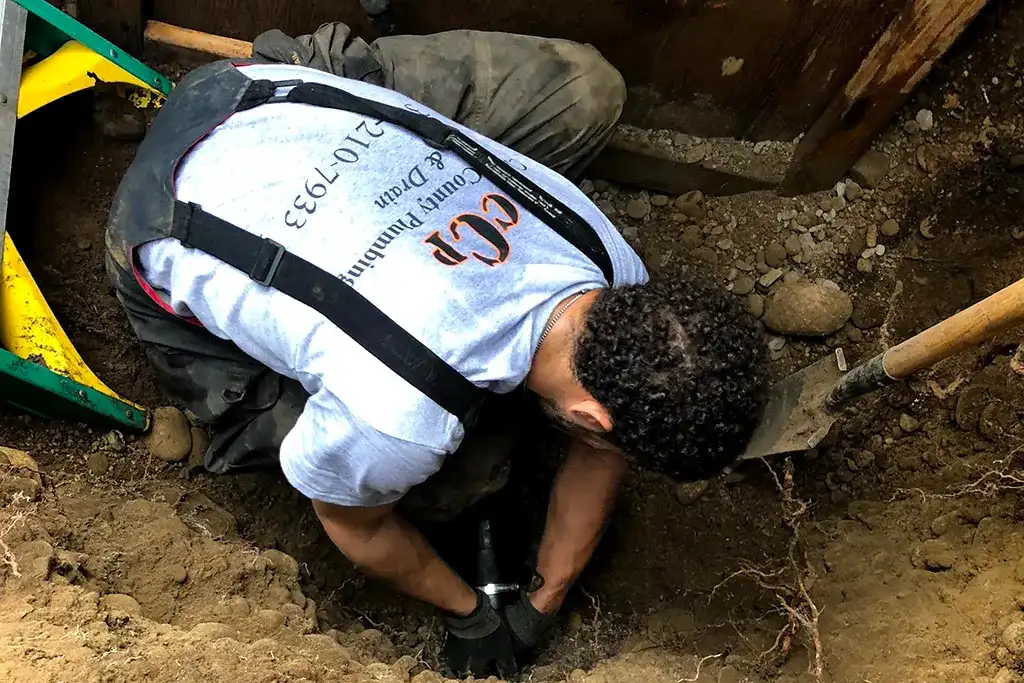
Plumbing Services with Integrity
As a local, independent plumbing company in Clark County, we believe in treating you with the respect you deserve. You’ll always get fair and transparent pricing with us, and we’ll never try to upsell you on something you don’t need.
Leave your information below and we’ll be in touch.
When You Should Schedule a Sewer Scope Inspection
- Before purchasing a property. A sewer line camera inspection before buying a home can save you from inheriting someone else’s plumbing nightmare. This is especially true for older homes or properties with large trees near the sewer line. Don’t assume the seller’s inspection covered everything underground.
- When multiple drains are slow. If one sink drains slowly, you probably have a localized clog. But when multiple fixtures throughout your house are draining slowly, the problem is likely in your main sewer line.
- After experiencing repeated backups. One backup might be a fluke. But if you’re dealing with recurring backups (especially in lower-level drains like basement floor drains or first-floor toilets) there’s an underlying issue that needs attention.
- Before starting major renovations. Adding a bathroom, finishing a basement, or building an addition all affect your plumbing system. Before you invest in major renovations, it’s smart to make sure your existing sewer line can handle the increased load.
Also, pay attention to these warning signs:
- Slow drains
- Gurgling sounds when the water drains
- Sewage smells
- Frequent toilet backups
- Water backing up into tubs or sinks
- Wet patches in the yard
Common Problems We Find During Sewer Camera Inspections
Over the years, we’ve seen just about every sewer issue you can imagine:
- Tree roots are one of the most common causes of sewer pipe blockages and damage. Roots naturally seek out water sources, and even tiny cracks in your sewer line can attract them. Once inside, they grow and spread, eventually blocking the pipe entirely or breaking it apart.
- Small cracks can develop into larger breaks if left unaddressed. Pipes deteriorate over time due to age, ground movement, temperature changes, and pressure.
- A “belly” forms when a section of pipe sinks or sags, creating a low spot where waste and water collect. This leads to recurring clogs and slow drainage. Bellies often develop gradually as soil settles beneath the pipe, and they’re almost impossible to detect without a camera.
- Corrosion weakens the pipe walls and can eventually lead to collapses. Older pipes made from cast iron or clay can corrode from the inside out.
- Years of grease, soap residue, and debris can build up along pipe walls, slowly narrowing the passage until water can barely flow through. Some clogs aren’t caused by what went down the drain yesterday.
- Ground shifting, poor installation, or root pressure can cause pipe sections to become misaligned at their joints. Misaligned pipes don’t drain properly and can allow waste to escape into the surrounding soil.
Trust Clark County Plumbing & Drain Results
Video sewer inspections have transformed how we diagnose and solve plumbing problems. Instead of relying on guesswork or destructive digging, we use advanced camera technology to give you a clear, honest assessment of your sewer system.
If you’re in Clark County and ready to see what’s really going on inside your pipes, we’re here to help. Clark County Plumbing & Drain’s experienced team provides thorough, honest sewer camera inspections that give you real answers: no surprises, no unnecessary upsells.
Contact us today to schedule your video sewer inspection and get the peace of mind you deserve.