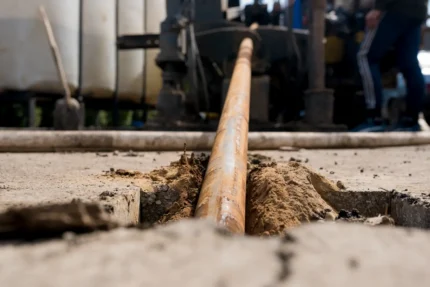
From the moment you turn on your morning shower to when you run the dishwasher after dinner, your pipes are constantly moving water throughout your home. But what happens when those pipes start to fail? You most likely need your pipes replaced.
When you work with Clark County Plumbing & Drain’s pipe replacement specialists, you’re getting experts who’ve seen every type of pipe problem this region can throw at a homeowner. We’ll take the time to explain your options, whether that’s targeted repairs, partial repiping, or a complete home repiping project.
From the wet, cold weather that can freeze and damage pipes to the beautiful trees whose roots can invade underground lines, we’ve seen it all.
Pipe Replacement Methods
When it’s time for plumbing pipe replacement, you have options:
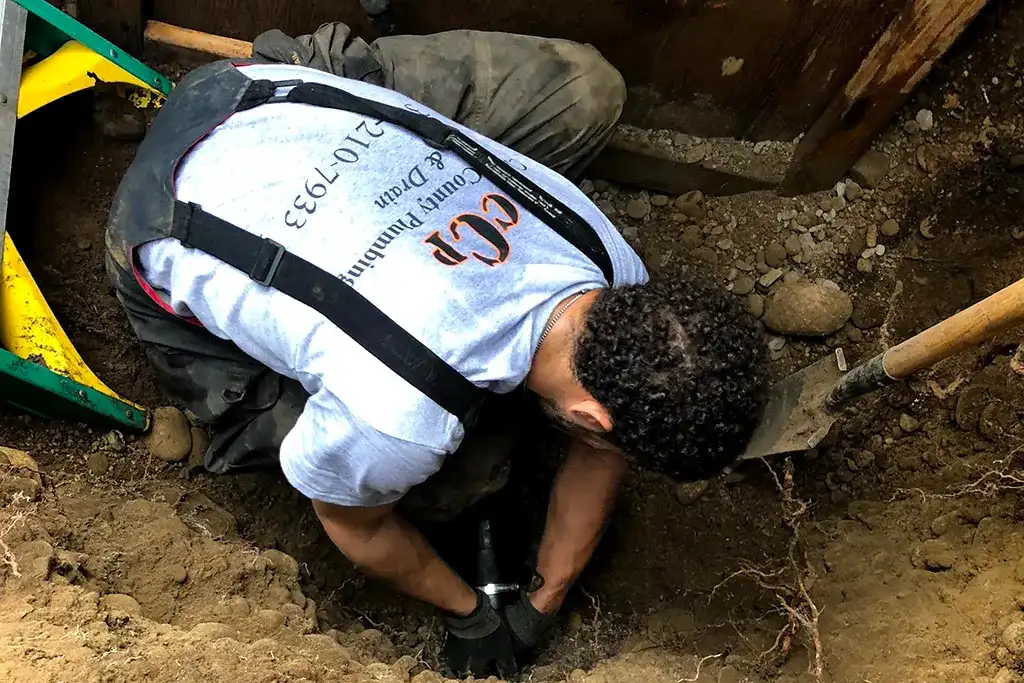
Traditional pipe replacement involves excavating to access the old pipes, removing them, and installing new ones. This method is sometimes necessary for severely damaged pipes or complex situations. While it’s more invasive, it allows us to completely replace the old system with modern materials.
Trenchless pipe replacement has changed the game for homeowners. This method allows us to replace damaged pipes without digging up your entire yard. Instead of long trenches, we only need small access points at each end of the pipe section being replaced.
Why Trenchless Pipe Replacement?
When you think about what traditional pipe replacement involves (digging trenches across your yard, potentially damaging landscaping, driveways, and patios), the trenchless option becomes very attractive.
- Minimal Disruption: Your lawn, garden, and hardscaping stay largely intact. Instead of weeks of restoration work after the plumbing job, you’re looking at minimal cleanup. For homeowners who have invested in their outdoor spaces, this is a major advantage.
- Faster Completion: Trenchless pipe replacement typically takes less time than traditional methods. Less digging means less labor, which often translates to cost savings for you. You get your new pipes installed and your life back to normal quicker.
- Durability: The materials used in trenchless pipe replacement are designed to last. Many come with warranties of 50 years or more. When you invest in trenchless pipe replacement, you’re setting up your home for decades of reliable plumbing.
Pipe Video Inspections
Video camera inspections let us see exactly what’s happening inside your pipes without digging up your yard or tearing into your walls. Our cameras can spot all kinds of problems, such as:
- Cracks and breaks in the pipe walls that might be caused by shifting soil or frozen ground.
- Corrosion that’s eating away at the pipe material.
- Blockages from grease buildup, debris, or foreign objects.
One common issue we find in Clark County is root intrusion. Our region’s beautiful trees and shrubs have roots that naturally seek out water sources. Unfortunately, your sewer line is a prime target. Roots can invade pipes through tiny cracks, then grow inside and cause major blockages. A video inspection shows us exactly where roots have entered and how much damage they’ve caused.
We also look for bellied pipes, where a section has sunk due to ground conditions. This creates a low spot that collects waste and causes recurring clogs.
Leaking joints are another common find. When the seals between pipe sections fail, water escapes into the surrounding soil, which can lead to bigger problems over time.
Plumbing Services with Integrity
As a local, independent plumbing company in Clark County, we believe in treating you with the respect you deserve. You’ll always get fair and transparent pricing with us, and we’ll never try to upsell you on something you don’t need.

Leave your information below and we’ll be in touch.
When Is the Right Time to Replace Your Pipes?
- When you’re planning renovations.. When walls are already open for a kitchen or bathroom remodel, adding new pipes is much simpler and less expensive than doing it as a separate project. If you’re expanding your home with an addition, you’ll likely need new pipes to handle the increased demand anyway.
- If you’re dealing with frequent repairs. Add up what you’ve spent on plumbing fixes over the past few years. Compare that to the cost of a complete home repiping project. Many homeowners are surprised to find that replacement would have been more economical.
- Your water quality has changed. Water that tastes metallic, looks discolored, or smells off is telling you something is wrong with your pipes. This could be a health concern.
- If you’re buying or selling a home. Sellers can make their property more attractive by addressing plumbing issues upfront. Buyers can protect themselves from inheriting expensive problems.
How Often Do Pipes Need Replacement?
There’s no single answer to how often pipes need replacement because it depends on many factors, with the material of your pipes being the biggest one. Galvanized steel might only last 20 to 50 years, while copper can last 50 to 70 years.
- Water quality in your area also plays a role. Hard water with high mineral content can cause buildup inside pipes, shortening their lifespan. The chemistry of local water can also accelerate corrosion in certain pipe materials.
- Usage patterns matter as well. A busy household with multiple bathrooms, frequent laundry, and daily dishwasher use puts more wear on pipes than a smaller household with lighter usage.
- Maintenance history makes a difference. Pipes that have been properly maintained with regular drain cleaning and prompt repairs tend to last longer than neglected systems.
When Do You Need Pipe Replacement (Instead of Repairs)?
While repairs can handle isolated problems, there are clear signs that tell you it’s time to consider a full pipe replacement:
- Recurring leaks are one of the biggest indicators. If you find yourself calling a plumber every few months to fix another leak, your pipes are telling you something.
- Widespread corrosion is another major sign. If you notice rust-colored or cloudy water coming from your faucets, your pipes are corroding from the inside.
- Consistent low water pressure throughout your home often points to buildup inside your pipes or hidden leaks you can’t see.
- Your home’s age matters too. If your house is more than 50 years old and still has the original plumbing, it’s time to have a professional inspection.
Type of Pipes
The type of pipes in your home plays a big role in how long they’ll last and what problems you might face:
- Galvanized steel pipes were commonly used in homes built before the 1960s. These pipes are especially prone to corrosion and rust buildup. If your home has galvanized steel, you’re looking at a typical lifespan of 20 to 50 years.
- Copper pipes are more durable and resist corrosion better than galvanized steel. They can last anywhere from 50 to 70 years. However, they’re not perfect. Over time, copper pipes can develop small pinhole leaks that add up to big problems.
- PEX pipes are a newer option that many homeowners choose when repiping a house. They’re flexible, which makes them easier to install, and they resist freezing better than rigid pipes. PEX pipes typically last 40 to 50 years and are a popular choice for home repiping projects.
- PVC pipes are often used for drainage and sewer lines. They’re affordable and can last up to 50 years. The downside is that PVC can become brittle over time, especially when exposed to temperature changes.
Let the Experts Handle Your Repiping
Don’t wait until a small problem becomes a major emergency. Now is the time to call our repipe specialists, whether you’ve noticed warning signs or simply have an older home that’s never been inspected. Our experienced pipe replacement plumbers are ready to help you protect your home, your family, and your investment.
Contact us today to schedule your inspection.