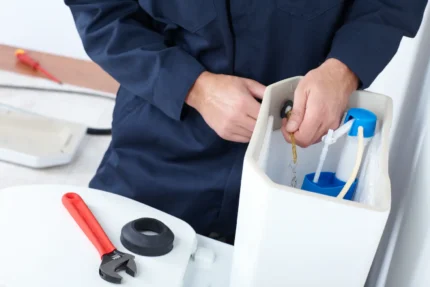
A working toilet is one of those things you don’t think much about until something goes wrong. At Clark County Plumbing & Drain, we’ve been helping homeowners throughout Clark County with toilet repair services for years.
When your toilet starts acting up, it can quickly turn from a small annoyance into a major headache. Water damage, high utility bills, and unsanitary conditions are just a few of the problems that can come from ignoring toilet issues.
We’ve seen it all, from simple toilet float repair to complete toilet bowl tank repair and everything in between.
What We Fix and How
Running Toilets
Most running toilets come down to three possible culprits: the flapper, the fill valve, or the float. Our plumbers test each component to pinpoint the exact cause.
Sometimes the fix is as simple as adjusting the float height or replacing a worn flapper. Other times, the entire fill valve assembly needs to be swapped out.
We carry common replacement parts on our trucks, so most running toilet repairs can be completed in a single visit.
Toilet Leaks
We check the supply line connection, the tank-to-bowl bolts, and the base of the toilet. If the leak is coming from the base, we know the wax ring or flange is likely the problem.
We’ll shut off the water, drain the tank and bowl, and carefully remove the toilet to inspect what’s underneath.
Tank Repair
When we arrive for a tank issue, we remove the lid and inspect every part: the fill valve, the flush valve, the flapper, the float, the overflow tube, and the handle mechanism.
We check water levels, listen for unusual sounds, and watch how each component behaves during a flush. Based on what we find, we might replace individual parts or recommend replacing the entire tank assembly if multiple components are failing.
Valve Repair & Replacement
For fill valve problems, we first try adjustments to see if that solves the issue. If the valve is old, corroded, or damaged, we replace it with a new unit.
We shut off the water, disconnect the supply line, remove the old valve, and install the new one at the correct height. Then we reconnect everything, turn the water back on, and fine-tune the settings.
Float Repair
Our plumbers adjust or replace floats depending on what type your toilet has. Older toilets typically have ball floats on an arm, while newer models usually have cup floats that slide up and down on the fill valve.
We set the float so the water level sits about an inch below the overflow tube, high enough for a strong flush but not so high that water gets wasted. If the float itself is damaged or waterlogged, we replace it with a new one.
Bowl Repair & Replacement
We help you select a new toilet that fits your bathroom, meets your needs, and works within your budget.
We’ll remove the old toilet, inspect the flange and drain connection, make any necessary repairs, and install your new toilet properly.
Then we level it, secure it, connect the water supply, and test everything. We also haul away your old toilet so you don’t have to deal with it.
Chain Repair
We inspect the chain for wear, rust, or damage. And we check that it’s connected properly at both ends and adjust the length so there’s just enough slack (about half an inch) for the flapper to seal completely while still lifting fully when you push the handle.
If the chain is corroded or kinked, we replace it. It’s a minor repair that can solve major frustration.
Flange Repair & Replacement
Flange repair is part of many toilet leak repairs we perform. When we remove a toilet and find a cracked, corroded, or broken flange, we have several options depending on the damage.
Minor cracks can sometimes be reinforced with a flange repair ring. Badly damaged flanges need to be cut out and replaced entirely.
We make sure the new or repaired flange sits at the correct height relative to your finished floor, too high or too low causes sealing problems.
Our Process
At Clark County Plumbing & Drain, we follow a consistent process that keeps you informed every step of the way:
- Your Call: When you contact us about a toilet problem, we ask questions to understand what’s going on. Is the toilet running? Leaking? Clogging? When did the problem start? Has anything changed recently? This helps us prepare for your appointment and bring the right tools and parts.
- Scheduling: We work around your schedule, not the other way around. We’ll find a time that works for you and give you a window when our plumber will arrive. We respect your time, which means we show up when we say we will.
- Diagnosis: Once we’re at your home, we take the time to properly diagnose the problem before we do anything else. We look for the root cause, which might involve testing different components, checking related fixtures, or inspecting areas you can’t easily see. Then we explain what we’re doing and what we’re finding as we go.
- Upfront Pricing: Before any repair work begins, we give you a clear, written quote. No surprises, no hidden fees, no suddenly discovering extra problems that double the price. You’ll know exactly what the repair will cost and what it includes. If we think there’s a more cost-effective solution, we’ll tell you. If replacement makes more sense than repair, we’ll explain why.
- Quality Repair: With your approval, we get to work. Our plumbers take pride in doing things right. We use quality parts, follow proper techniques, and don’t cut corners. We protect your home while we work and clean up after ourselves.
- Testing & Walkthrough: When the repair is complete, we test everything thoroughly. We flush multiple times, check for leaks, and make sure all components are working correctly. Then we show you what we did and answer any questions you have. We want you to understand the repair and feel confident that the problem is solved.
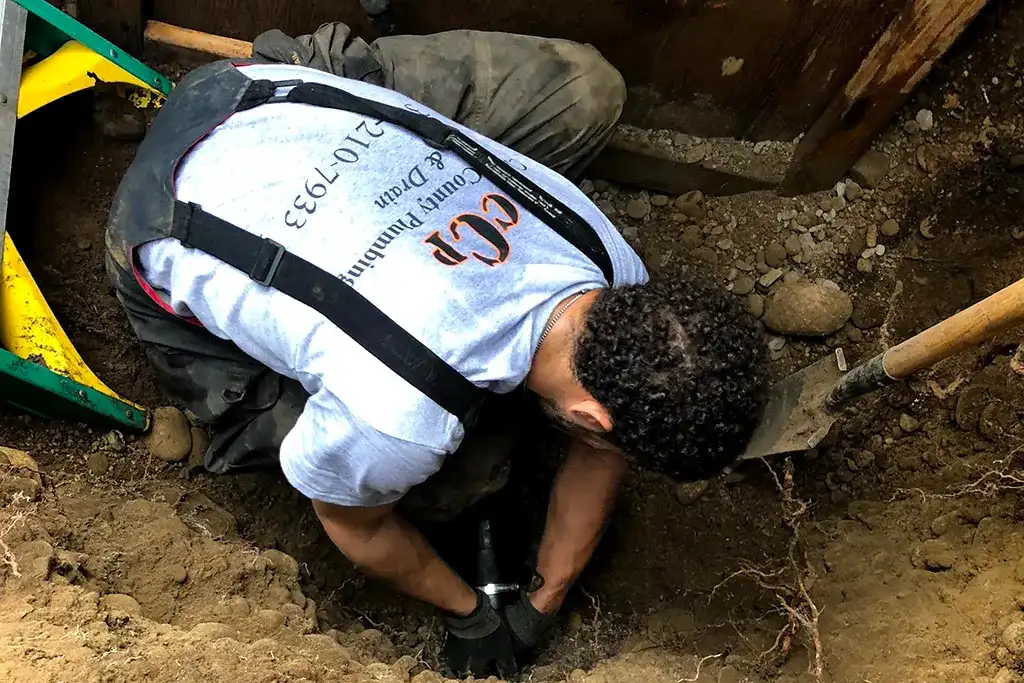
Plumbing Services with Integrity
As a local, independent plumbing company in Clark County, we believe in treating you with the respect you deserve. You’ll always get fair and transparent pricing with us, and we’ll never try to upsell you on something you don’t need.

Leave your information below and we’ll be in touch.
Common Signs a Toilet Needs Repair
Toilets don’t usually break down all at once. Most of the time, they give you warning signs that something isn’t right.
- The toilet won’t stop running. A running toilet can waste hundreds of gallons of water every single day. That’s money literally going down the drain.
- Water is pooling around the base. This is one of the most serious common signs a toilet needs repair because the damage happens where you can’t see it: underneath your flooring.
- Flushes are weak or incomplete. Sometimes you have to flush multiple times just to clear the bowl.
- Clogs keep coming back. A plunger usually takes care of it, and life goes on. But if your toilet clogs repeatedly, even after light use, something else is going on.
- There are cracks in the bowl or tank. A small crack can suddenly become a big crack, leading to a catastrophic flood in your bathroom.
- My toilet wobbles and/or moves. If it rocks back and forth or shifts when you use it, something is wrong with how it’s attached to the floor.
What’s Actually Causing Your Toilet Problems?
Inside the tank is where most of the action happens. Problems with any of these parts can cause issues: a worn flapper won’t seal properly, causing the toilet to run., a misadjusted float can lead to too much or too little water in the tank, and a failing fill valve might make strange noises or struggle to shut off completely.
The bowl holds water that creates a seal against sewer gases. Mineral buildup in the siphon jets can reduce flushing power over time. Cracks in the bowl are also a safety concern that requires replacement. The base of the toilet sits on a flange, which is a fitting that connects to your drain pipe. When the seal fails, you get leaks. When the flange cracks or corrodes, the toilet can become unstable.
If multiple drains in your home are slow or backing up, the issue might be in your main sewer line rather than the toilet itself. Tree roots, buildup, or pipe damage can all cause problems that affect your entire plumbing system. How can you tell the difference? If only one toilet is having problems and the rest of your plumbing works fine, the issue is probably with that specific toilet. If multiple fixtures are affected (slow drains in the shower, gurgling sounds from other drains when you flush) the problem is likely in your main line or septic system.
Things You Can Try Before Calling a Plumber
- Adjust the float. Most floats can be adjusted by turning a screw or sliding the float down on its arm. The water level should be about an inch below the top of the overflow tube.
- Check and replace the flapper. They’re inexpensive and available at any hardware store. Turn off the water, flush to empty the tank, unhook the old flapper, and install the new one. This simple fix solves many running toilet problems.
- Adjust the chain. If the chain is too loose, and the flapper won’t lift fully when you flush, causing weak flushes. Too tight, and the flapper won’t seal properly, causing the toilet to run. Adjust the chain so there’s about half an inch of slack.
- Clear simple clogs. Use a flange plunger (the kind with an extended rubber piece) for the best seal. Push down slowly at first to avoid splashing, then plunge vigorously several times. If a plunger doesn’t work, a toilet auger (also called a closet auger) can reach further into the drain to break up stubborn clogs.
- Clean the siphon jets. You can clean these with a small brush or a piece of wire. Some people use vinegar to help dissolve mineral buildup. Pour it into the overflow tube in the tank and let it sit before scrubbing the jets. But never mix vinegar with any other cleaning product or solution, especially bleach.
- Tighten loose bolts. These are usually covered by small plastic caps at the base of the toilet. Pop off the caps and use a wrench to tighten the bolts evenly on both sides. Be careful not to overtighten, porcelain can crack.
Plumbing mistakes can cause serious water damage, and some repairs require specialized tools. So there’s no shame in calling a professional. If you’re unsure about any step, it’s better to call someone who does this every day, like Clark County Plumbing & Drain.
Don’t Wait Until a Small Problem Becomes a Big One
Toilet problems rarely get better on their own. So if you’ve noticed any common signs a toilet needs repair, don’t put off getting it checked out. The sooner you address toilet issues, the less they’ll cost to fix and the less damage they’ll cause to your home.
At Clark County Plumbing & Drain, we respond quickly because we know that plumbing problems don’t wait for a convenient time. When you call us for toilet repair services, we’ll get to you fast, figure out exactly what’s wrong, and get your bathroom back in working order.
We’re here to help our Clark County neighbors with all their plumbing needs: done right, priced fairly, and backed by the quality workmanship you deserve. Contact Clark County Plumbing & Drain today to schedule your toilet repair service!